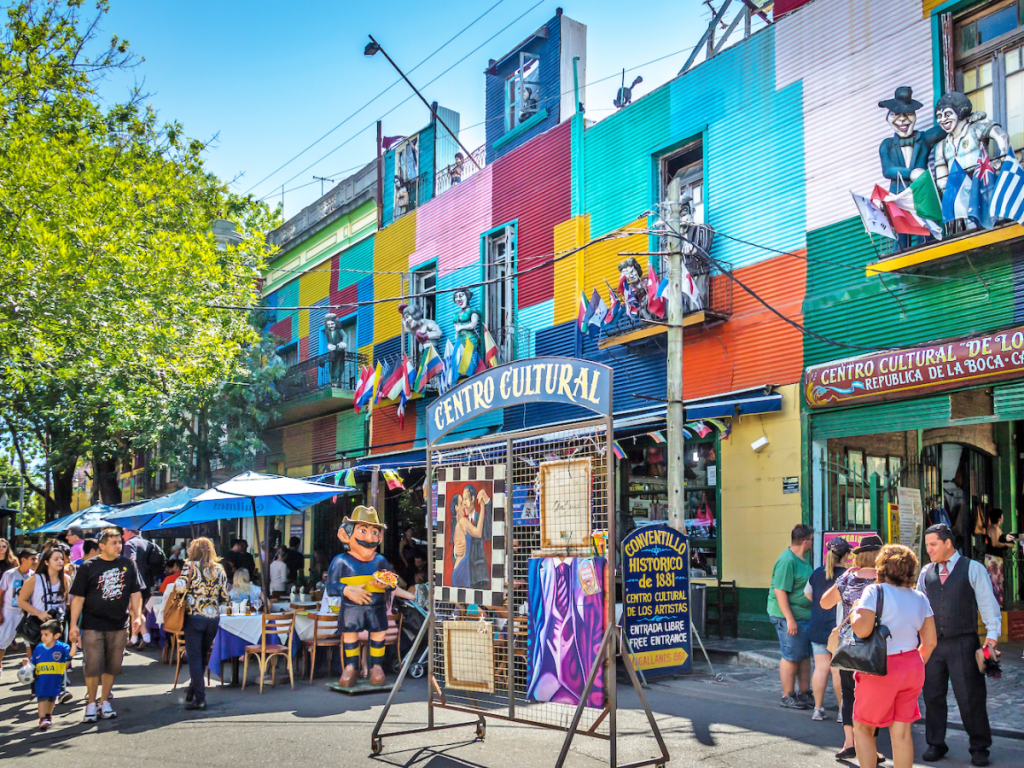
Buenos Aires locals are referred to as “porteños” which in English, means “people of the port”. Porteños describe Buenos Aires as being one of those places that you either love or hate. They say that this is because it is loud, dirty in a lot of neighbourhoods and full of traffic, but there is so much life and energy and it is very dynamic and exciting.
The streets of Buenos Aires
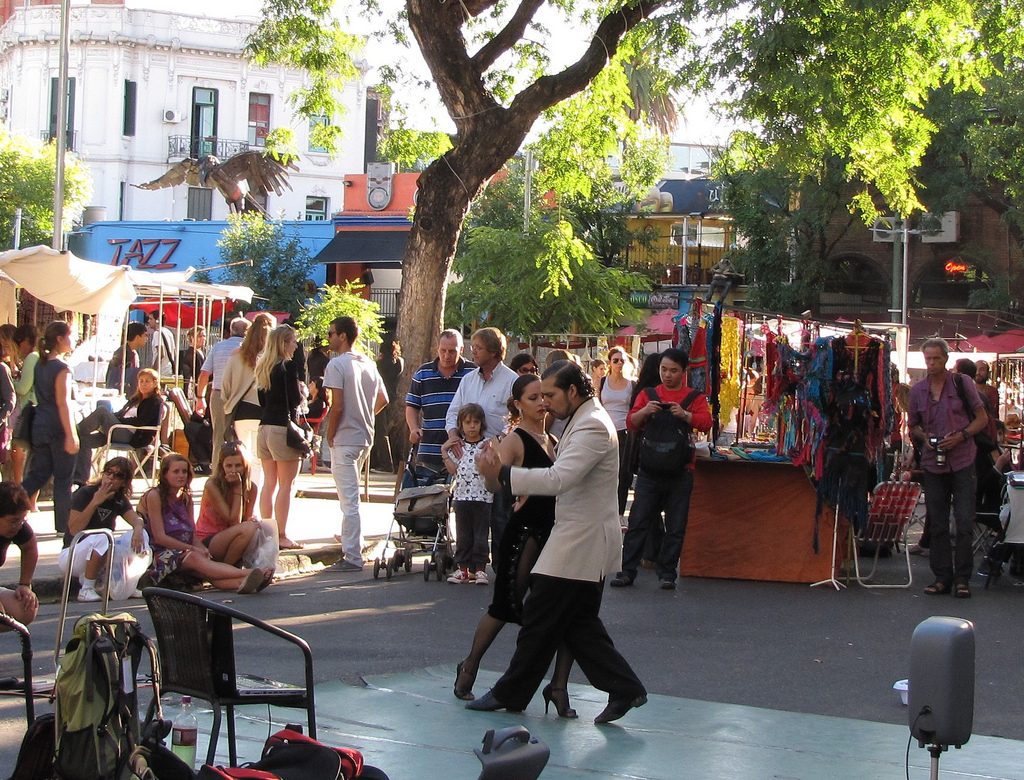
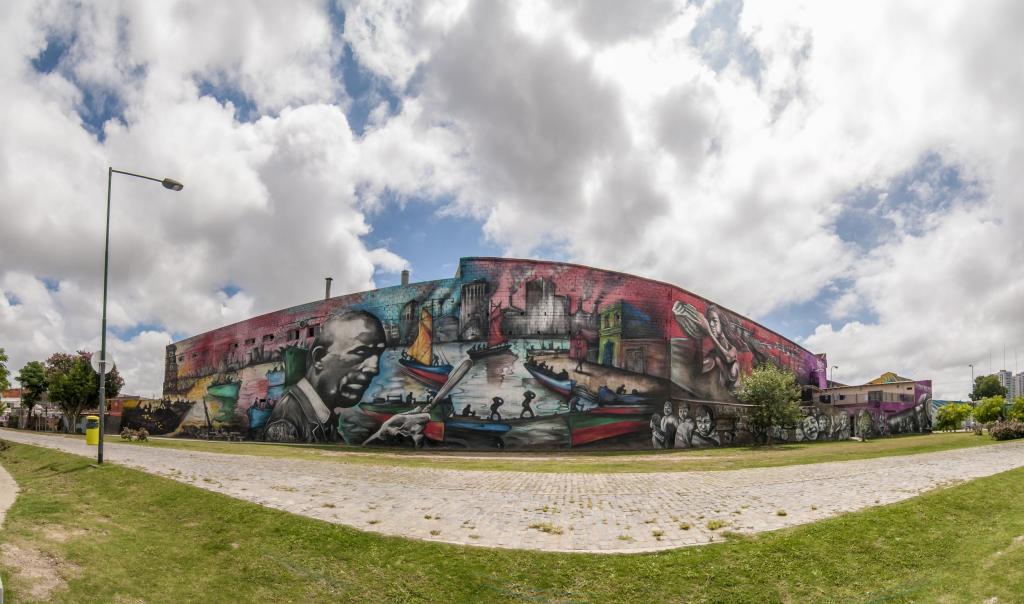
Every district/neighbourhood in Buenos Aires is different. San Telmo, where I have been staying, is full of culture, history and is the heart of the tango. The late-night bars, hand-crafted goods and street murals give it a very bohemian vibe. Every Sunday they have huuuge flea markets and live street performers which creates the most fun and unique experience.
Driving into Palermo Viejo, I instantly noticed cultural differences. The streets seemed cleaner, tidier and more modern. Everything is cool and trendy and the whole place is filled with classy boutiques and designer stores. It is a place where people like to look good. They like luxury items and showing them off.
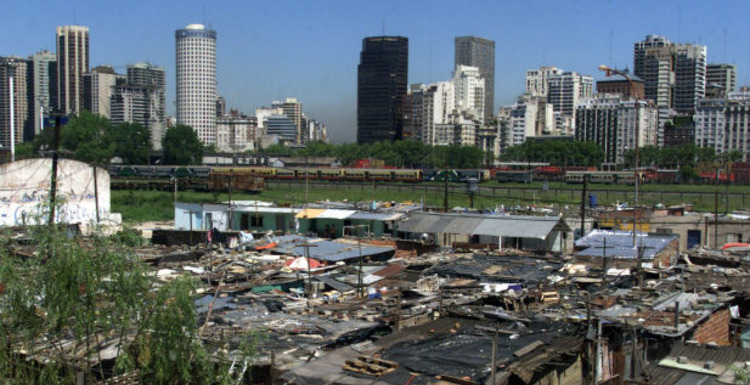
There is a massive contrast between the rich and the poor in Buenos Aires. Nearly one in ten inhabitants live below the poverty line, so as you can imagine, not ALL of the city is beautiful. Argentina is home to a lot of immigrants and Buenos Aires is no exception, most immigrants that come to Buenos Aires these days are rich and educated.
Buenos Aires Culture
The culture varies depending on which neighbourhood you are in, and due to the earlier immigrants that settled here, their culture is heavily influenced by Spanish, Italian and other European cultures. It is often referred to as “little Europe” because it contains amazing European architecture and culture, but in a South American setting.
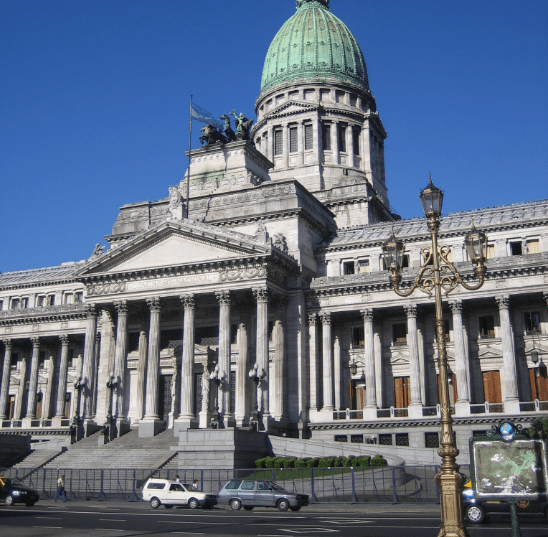
Progress and immigration led Buenos Aires to become one big city with an even bigger mixture of culture. As immigrants settled in the 48 districts within Buenos Aires, they built strength within their neighbourhoods by creating groups, churches, sports, businesses, social clubs and schools.
Because the immigrants in each district came from different places, backgrounds and upbringings, each district created different groups, churches, businesses etc. This in turn, gave each district its own personality/culture.
The numerous shows, theatres, cinemas, street performers, museums, galleries, dances and the rest of the artistic variety that Buenos Aires has to offer shows that their culture is very creative and artsy.
Their daily lives revolve around the city centre, local neighbourhoods and major entertainment/recreation areas. Overall, the porteños are warm people but tend to be direct which may come across as blunt. When meeting porteños, a simple handshake with eye contact would be an appropriate way of greeting them.
If you are invited into a porteños home, you should dress well (e.g. tie or dress) and you should arrive about 30 minutes late because being on time in Argentina is not considered normal. You should also bring a small gift for the host but not a knife or scissors because in Argentina, this is a symbol of cutting ties.
Buenos Aires traditions and celebrations
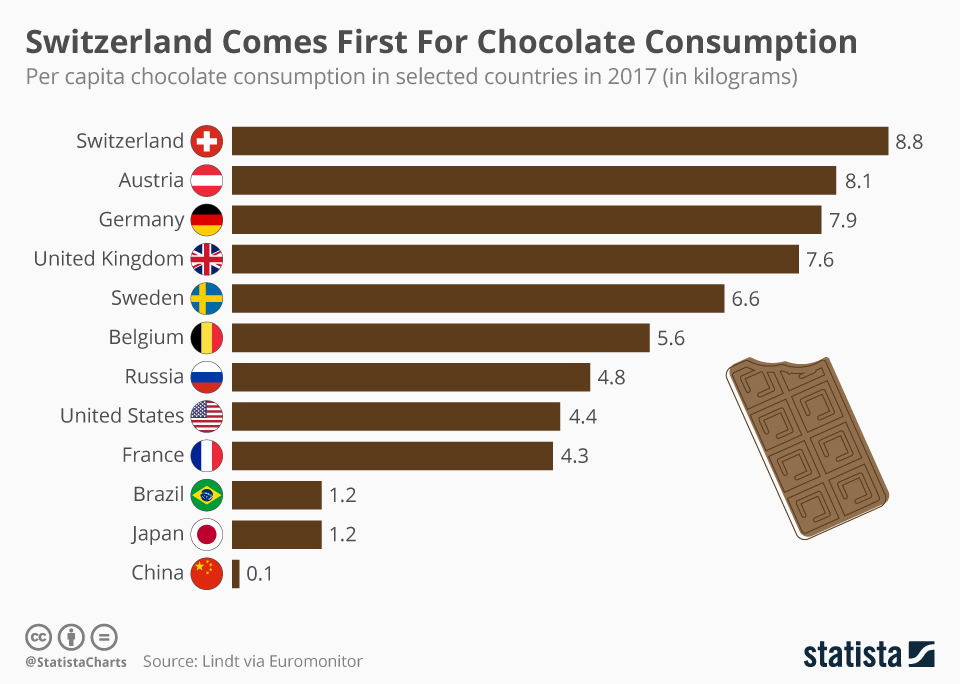
Reports state that Argentina’s chocolate consumption is very similar to Brazil’s. This means that in comparison to the rest of the world, Argentina consumes very little chocolate. Since 2012, their imports of chocolate have dropped significantly.
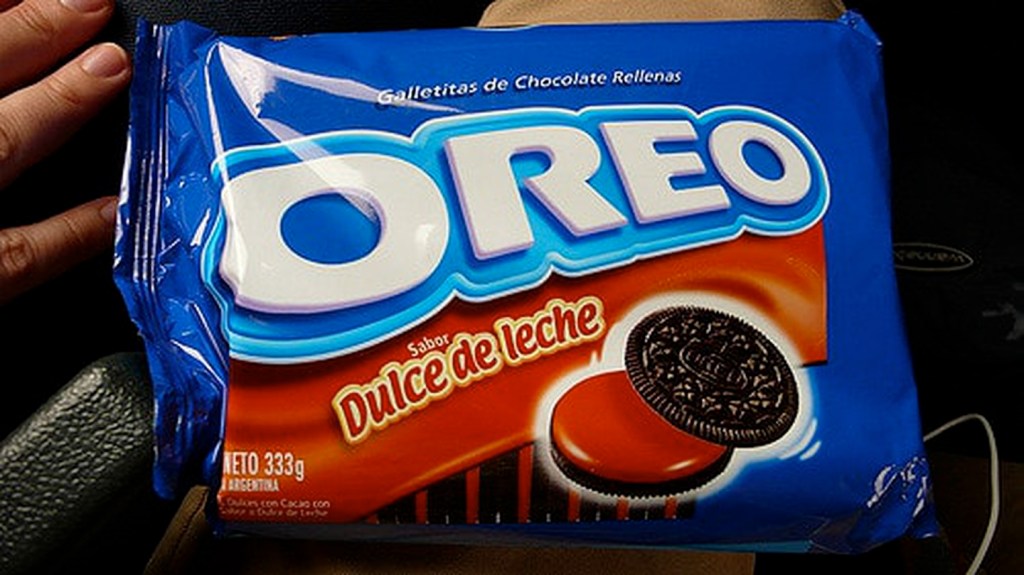
Instead, Argentines typically indulge in an alternative sweet treat, dulce de leche. Dulce de leche is a sticky, sweet, caramel delicacy and is also the most popular sweet treat in Argentina. It is so popular that it is not only eaten as a sweet “treat”, but as an everyday food. It is eaten for breakfast as a spread for toast or pancakes, in croissants or pastries and is the main ingredient for many cakes, pies and ice creams.
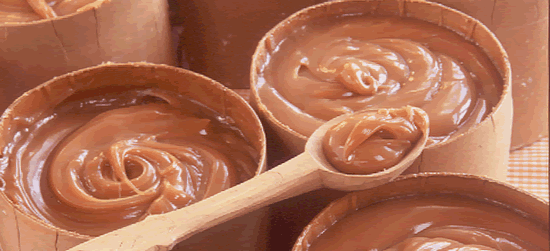
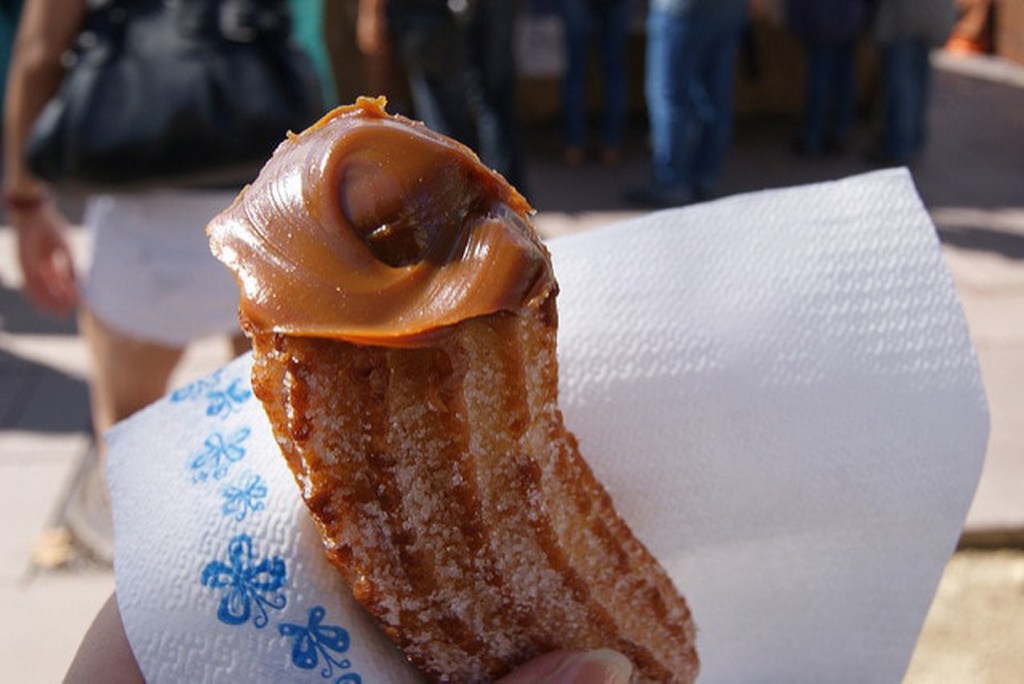
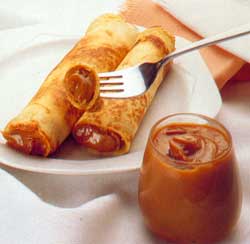

Dulce de leche is considered an Argentine essential and is strongly believed to be an authentic, Argentine staple food. In Latin America, there is a lot of debate over who invented dulce de leche, although Argentina and Uruguay are the only places that call it “dulce de leche”.
The Argentines feel so strongly about dulce de leche that in 2003 they attempted to declare it as Argentinian cultural heritage. All grocery stores in Argentina have at least half an aisle dedicated to dulce de leche. There is even a day (the 11th of October) dedicated to celebrate dulce de leche.
Argentina is the home of Pope Francis and is populated by mostly Catholics, so a lot of their customs and traditions stem from Catholicism. Gift giving etiquettes are important to understand if you hope to build a strong friendship or business relationship in Argentina.
Chocolate and sweets are always welcomed and appreciated by the Argentines as a gift, on any occasion. However, you should never wrap a gift in purple or black wrapping as these colours are associated with funerals. You should also never give 13 of anything because 13 is believed to be an unlucky number in their culture. Wine can be seen as an offensive gift as Argentines take great pride in their own wine.
Competitors
When celebrating in Argentia, typically most of the snacks/meals are traditional Argentine foods. Chocolate could be used as a gift in Buenos Aires but it is highly unlikely to find it sitting on the table at birthdays/weddings etc.
Ocho should note that there are direct competitors in Buenos Aires such as Milka, Arcon, Bon O Bon, Biznikke and other brands that sell chocolate or at least chocolate covered products, but because chocolate is not a huge cultural or social trend, the biggest competitors would be the indirect competitors. These include dulce de leche, hot chocolate, alfajor and ice-cream companies because these are the most popular sweet treats in Buenos Aires.
Hofstede
 Ochoblog