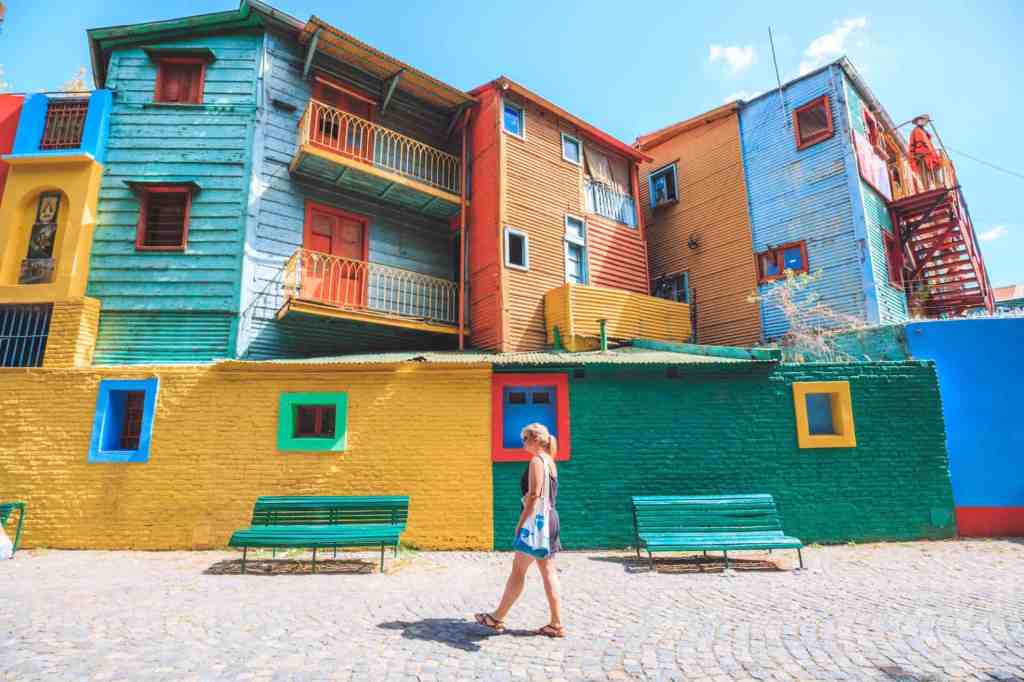
I had finally arrived in the beautiful Buenos Aires!! And after being delayed and stuck in Auckland airport for S I X T E E N hours, and THEN being stuck beside a screaming toddler for t w e l v e hours, you can imagine my excitement.
I was jet lagged, exhausted and well overdue for a nap, but if you thought that was going to stop me from exploring this vibrant, exciting city… you would be wrong.
So off I went, immediately after dropping my bags off at the Air BNB, to see what the city had to offer. I was staying in San Telmo, which is a district/neighbourhood in Buenos Aires. My taxi driver told me that it was the oldest, most diverse and unique neighbourhood in Buenos Aires.
The first thing that stood out was how much the city revolved around food, and I was excited, to say the least. There were cafes, restaurants, vendors and every other food related business you could imagine left, right and centre. Food vendors sold everything from basic snacks to cuts of meats, chocolate covered churros and freshly squeezed fruit juice.
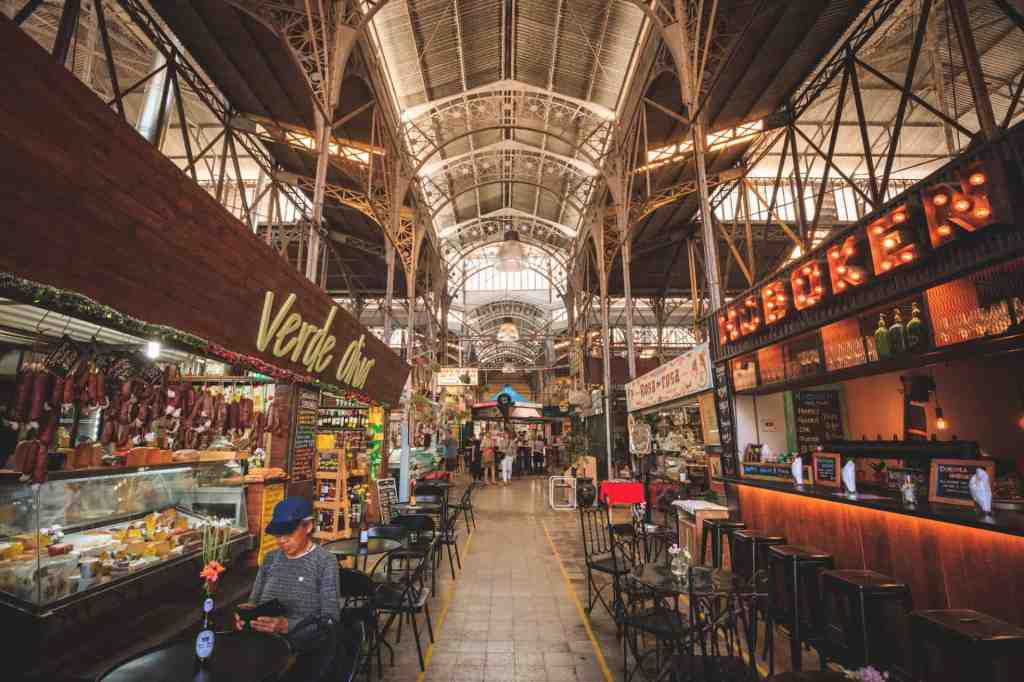
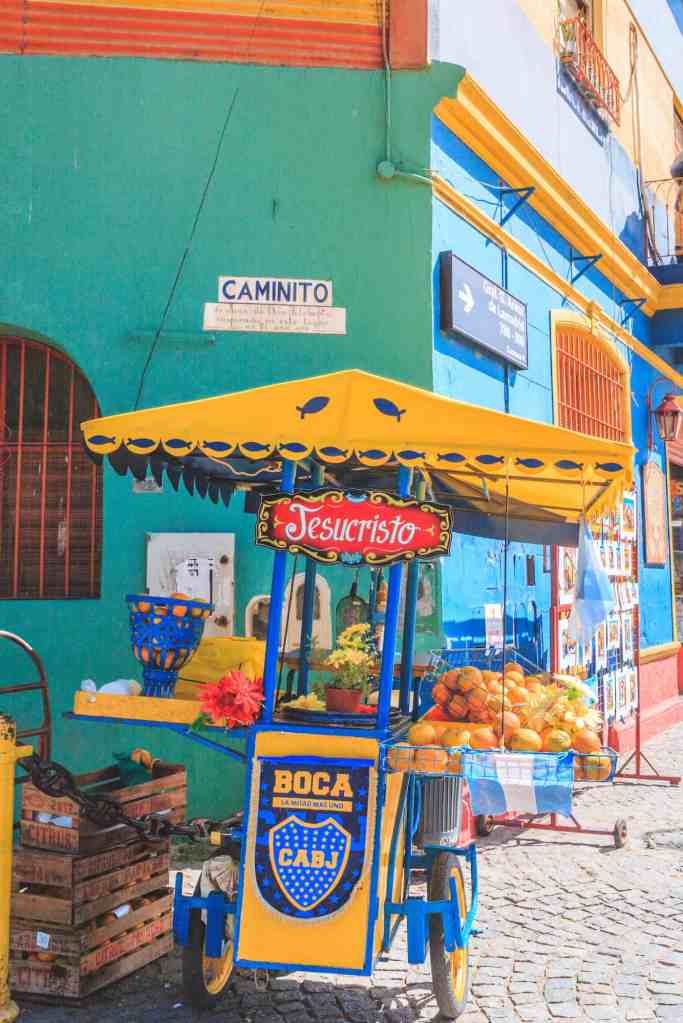
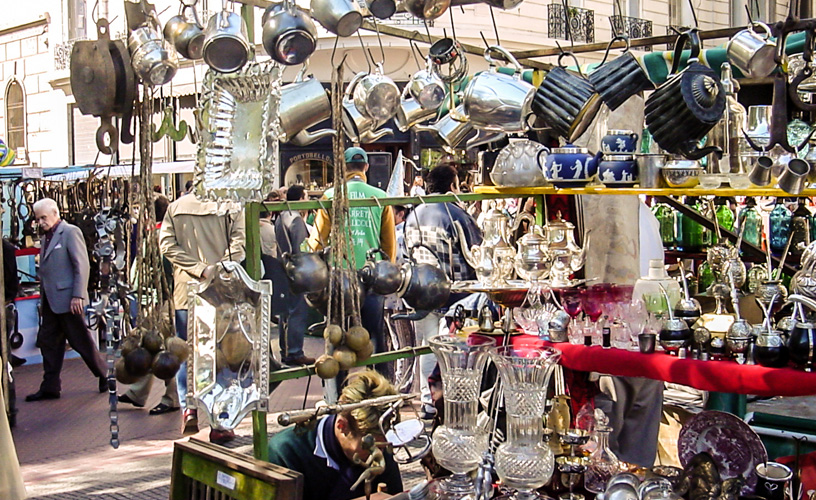
Amongst the food, there were stalls selling literally anything and everything. There were hand made souvenirs, antiques, clothing, jewellery, shoes, paintings, one of a kind pieces and so much more being sold everywhere you looked. I fully understood what the taxi driver meant when he said “unique”. It is a city filled with history and uniqueness.

Demographics
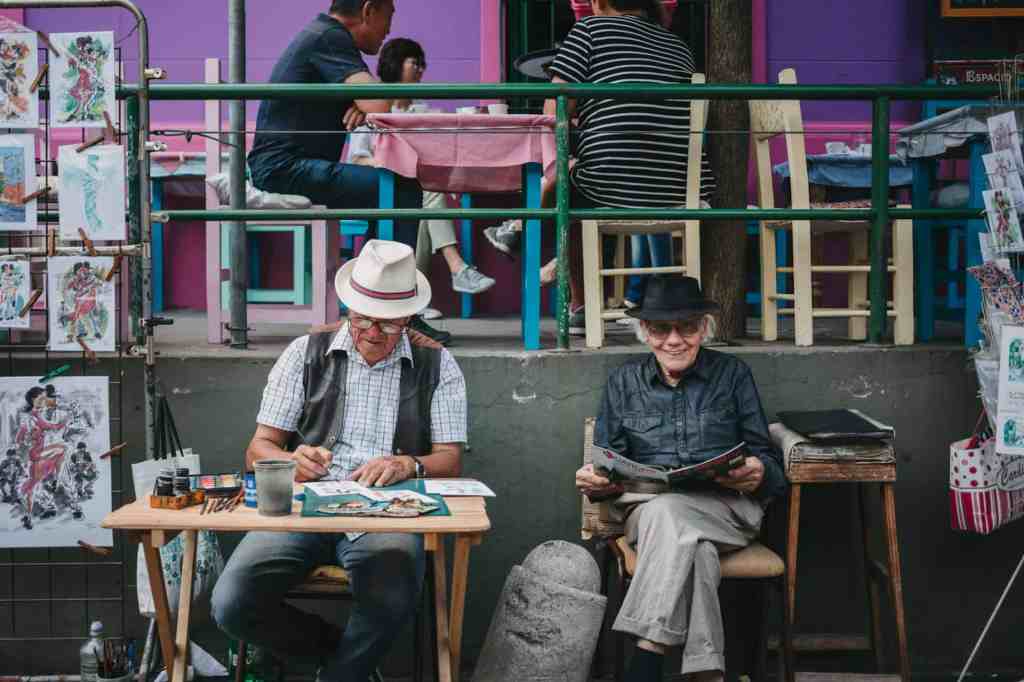
After spending the afternoon exploring the city, I realised I had encountered about 100 people that looked older than 60 and roughly 70 people that didn’t. This got me wondering about the demographics of the city as it seemed to be heavily populated by the older generation, so I decided to do a little digging through research and asking the locals.
I found out that once again, I was right. Buenos Aires has an ageing population, with more than 16% over the age of 65. The average age of the population in Buenos Aires is 40 years old which is not a huge difference to New Zealand whose average age of the population is 37 years old.
This is beneficial to Ocho because the target market for their products are 25-65 year olds and typically speaking, the older generation has more money and a higher disposable income than the younger generation.
92.7% of the population are urban and 91.3% of the population use the internet. Free WIFI is available for customers at almost all bars, cafes and restaurants in Buenos Aires, this implies that social media would be an easy and fast way to market Ocho’s products.
Literacy rates and economics
Of those aged 15 or above in Argentina, 98.08% can read and write, which means less than 2% of the population is illiterate. This is positive for Ocho because it means that any messages or writing within the marketing will be understood.
Buenos Aires is thought to be one of the highest quality of life destinations in Latin America, with the most income per capita in the region. This links in well with Ocho’s high quality, luxury products. On average, a person working in Buenos Aires earns approximately ARS$140,000 (NZD$2,717) per month and spends ARS$27,732 (NZD$724) on living costs. Now, these “living costs” don’t include rent, however, rent is 74% lower in Buenos Aires than it is in New Zealand.
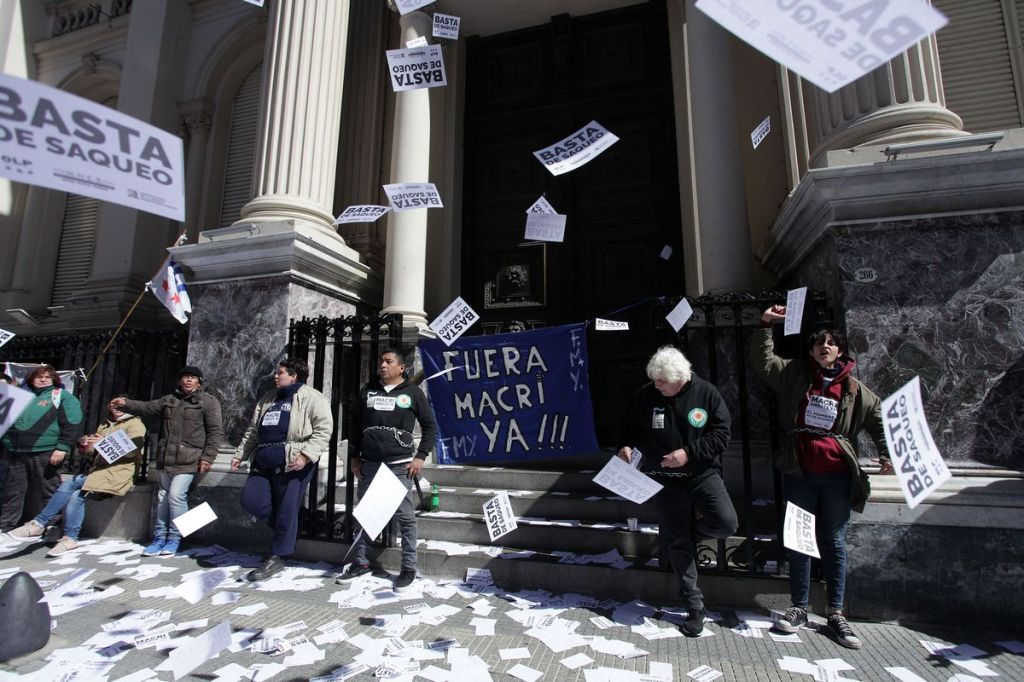
Last year, Argentina had a GDP of NZD$16,831 per capita whereas New Zealand had a GDP of NZD$70,511 per capita. Argentina’s economy is stuck in recession and according to locals, is an unfavourable investment environment and is in a debt crisis.
They had an inflation rate of 53% in 2019, their currency (the peso) has lost two-thirds of its value since 2018 and its external debt has increased to 60%. Both Argentina locals and people from the outside deem their government as extremely unstable, which has a huge impact on businesses.
Legal requirements
The Argentine Food Code (CAA) is the technical rule that regulates locally produced and imported food products. One of the standards that sugary foods must meet is that they must contain no less than 10% non-fat cocoa solids, this works in favour of Ocho because their products contain at least 50-100% cocoa ethically sourced from the Pacific Islands.
Another standard is that products must state Baño de repostería dulce if they contain more than 45% sugar, Baño de repostería semiamargo or Baño de repostería semidulce if they contain between 35-45% sugar and Baño de repostería dulce if they contain less than 35% sugar.
This means that for Ocho, they will have to at least customise their packaging because the labels must include a Spanish sentence. Labelling from the country of origin is allowed in Argentina but it must include a translated version with pretty much the exact same information that is required in New Zealand.
Argentina imports ingredients from Brazil in order to make their own chocolate. 90% of their imported ingredients are from Brazil because a) it is geographically close and b) they have a free trade agreement.
New Zealand does not have a free trade agreement with Argentina but we do have a friendly, cooperative relationship with them. We are not in close proximity to Argentina so shipping would take between 2-6 days. It would also need to be refrigerated because ideally Ocho would ship in early December which is when Buenos Aires has high temperatures.
 Ochoblog