
Exporting
Most American companies export their products to Argentina and use distributors, Argentine agents and representatives to market their products. This method is called “indirect exporting” and could be beneficial for Ocho as they could enter the Buenos Aires market by putting their products in an existing store.
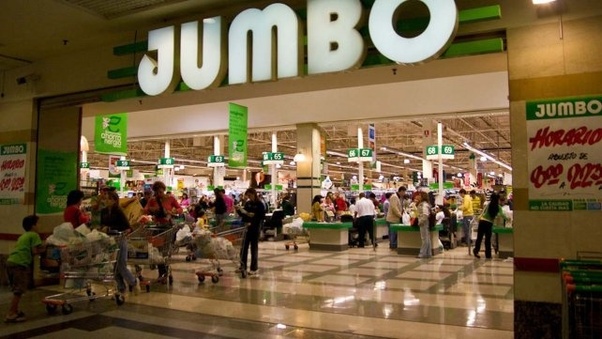
By partnering with and exporting their products to 2 of the 5 major supermarket chains in Buenos Aires, Jumbo and Disco, Ocho would avoid the costs that come along with producing and operating in a foreign country. It is a low risk strategy and possibly the best known method of entering the foreign market.
Jumbo and Disco are two major supermarket chains that are owned by the retail company Cencosud.
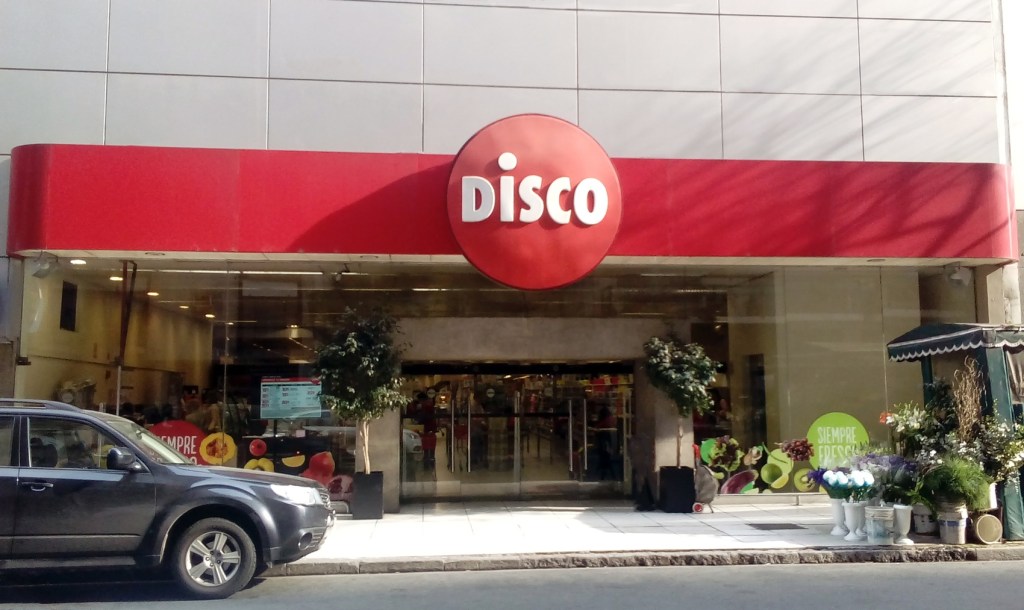
Disco is the more popular of the two and has the finest selection of goods, especially imported ones. It rarely has discounts and is seen as a “luxury” supermarket, which suits Ocho’s products because we want to position Ocho as a luxury brand in consumers minds.
Jumbo is catered to the middle class but is owned by the same company and has a large selection of imported goods.
In Argentina, they like to have close relationships with businesses and by indirectly exporting our products, we would lose direct contact and the opportunity to build relationships with our customers.
The cost of transporting is expensive and prices are rising. The process of exporting to Argentina would rely on four parties: our business, a transport provider, an importer and the Argentine government. Ocho would need to establish a strong relationship with the other three parties to ensure reliability among all parties.
Opening a psychical store
Another method Ocho could use to enter the Buenos Aires market is to open their own store in Buenos Aires. Ocho could use both direct and indirect exporting to test the success of their products in the Argentine market. If their products sell successfully and the demand for Ocho Chocolate grows, they could rent/lease a building and set up a store in Buenos Aires.
The fact that rent is 74% cheaper in Buenos Aires than it is in New Zealand is beneficial to this market entry method because it means the costs of operating the store would be significantly cheaper than it would be in NZ.
A downfall to this method is that by having a physical store, we would need to hire and train employees to run the store which could be both costly and timely.
Joint venture
Another method that Ocho could use to enter the Buenos Aires market is a joint venture. In short, a joint venture is when two companies (one local) own one business.
For example, Ocho could reach out to Cafe Tortoni and propose a joint venture in opening a new cafe that uses and sells Ocho’s products within the menu.

Cafe Tortoni is an extremely popular cafe in Buenos Aires which means Ocho would benefit from a joint venture with them because they are already a well established and trusted brand for Buenos Aires consumers.

By entering the foreign market via joint venture, Ocho would easily and quickly be able to gain knowledge about said market and other businesses from their joint venture partner. However, there can be problems deciding who invests what and how to split profits.
The most obvious and easiest method of entry for Ocho would be to export their products to a channel partner (supermarkets), and if it proves successful, they can explore other methods such as a joint venture or opening their own store.
 Ochoblog